
A visit to the Technikmuseum: My journey through Berlin's historic goldsmith workshop
|
Contents |
|
1. A look behind the scenes of jewelry production in Berlin |
|
2. Sand casting and guilloché: fascination with old techniques |
|
3. Why these techniques are so fascinating |
|
4. Community and inspiration |
|
5. What I learned |
|
6. A place that inspires: Artis Factum |

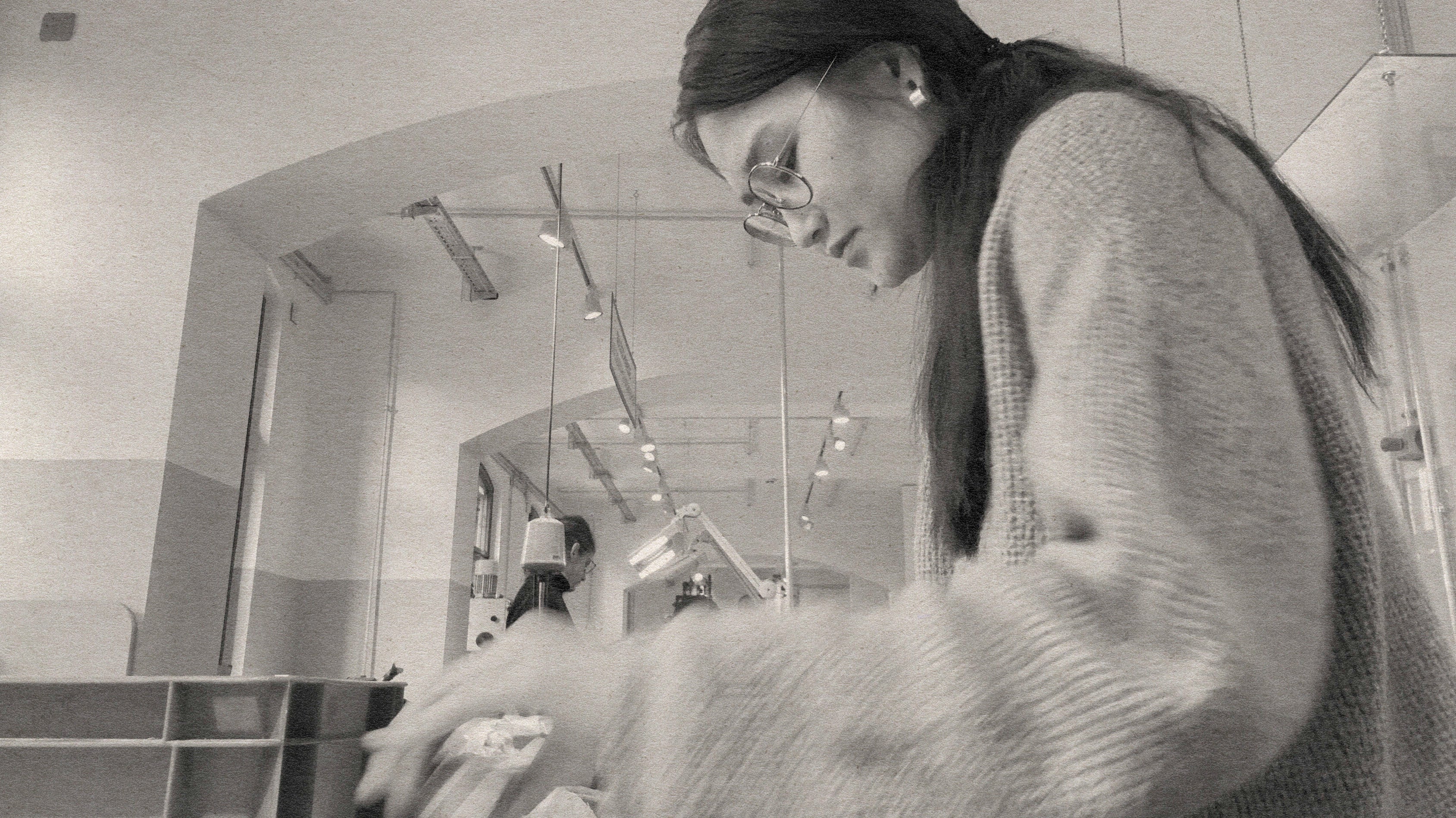
Last week, I was in Berlin at the Technikmuseum (Technology Museum) and couldn't wait to step into a real, historic goldsmith's workshop. There, you could see the entire original jewelry-making process—exactly as it was hundreds of years ago, before faster, more technologically advanced machines took over. I even had the chance to try sand casting for the first time and learn the over-century-old technique of guilloché. It was incredibly exciting!
While searching for other goldsmithing schools in Germany, I came across the organization Artis Factum – I discovered them on social media. I quickly sent them a message and asked if they offered workshops. And that's how I ended up there.
1. A look behind the scenes of jewelry making
This was my first real insight into the entire jewelry production process. Although I already had a rough idea, it became even clearer to me on site: each individual step is a separate profession. There's the stone cutter who focuses exclusively on setting stones, or the guilloche master who spends his entire professional life engraving patterns into boxes, watches, or cigarette cases with this fascinating old machine.


When I first started making jewelry, I felt overwhelmed by the possibilities—there were so many paths pulling me in a thousand directions. Over time, and the more I learned about making and the craft, I realized this quest would probably never end. Most people seem to specialize in one or two techniques, delve deeply into them, and start experimenting. The goal is to become really good at it and—even though it's extremely difficult—perhaps even revolutionize the technique or discover something new. This, however, requires immense passion and daily dedication.

2. Sand casting and guilloché: fascination with old techniques
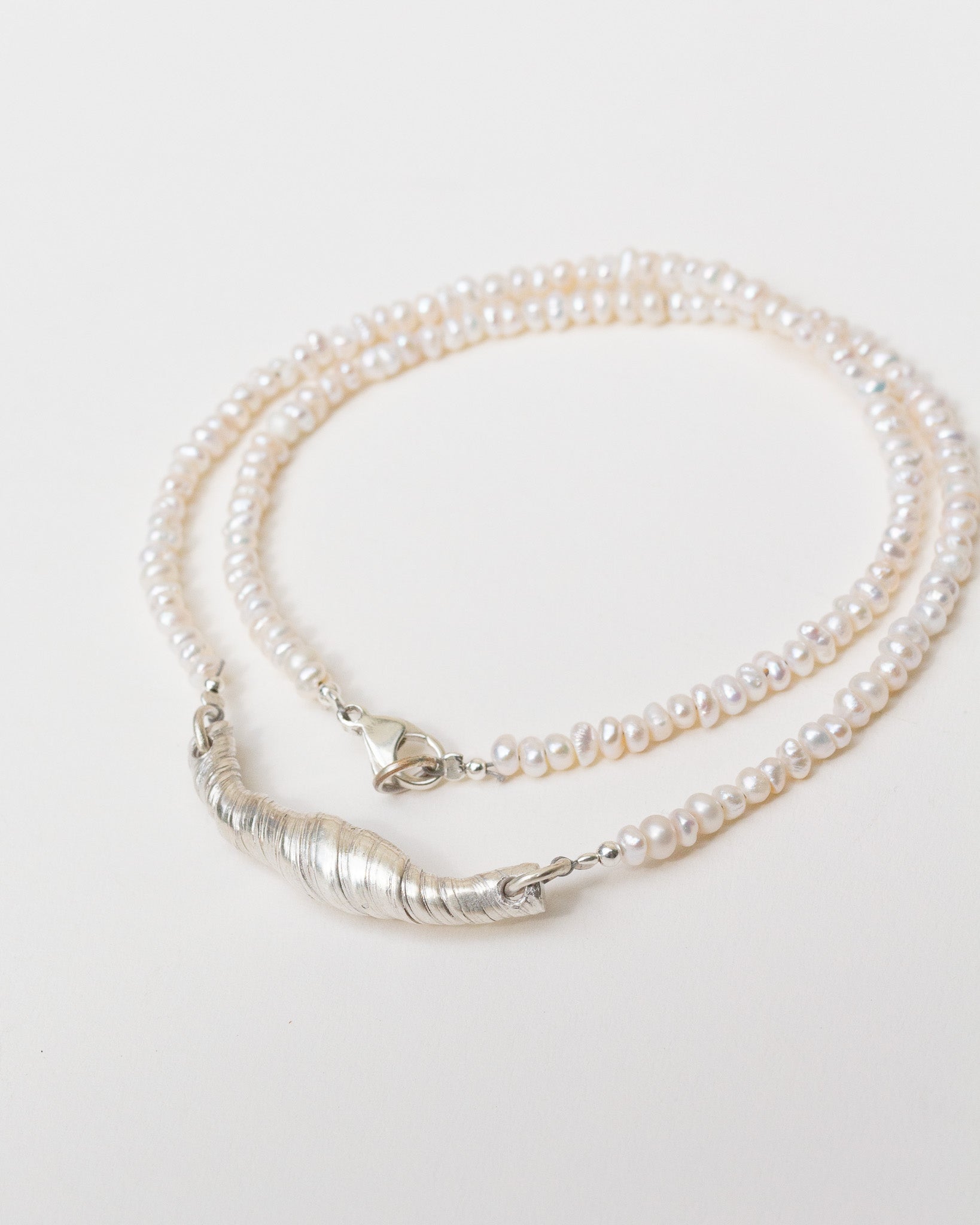
In the workshop, I was absolutely amazed by all the tools they had there, especially the stamps. It was also incredibly exciting to finally be able to cast myself. Until now, I'd always sent my wax models to a foundryman, who would place them on a "tree" and cast several pieces at once. Sand casting, on the other hand, takes much longer because you can only cast one piece at a time—and then only with somewhat more robust pieces, as the sand needs to be hammered firmly into place to ensure stability.


I think sand casting is a bit like analog photography. It's quite slow, piece by piece, and just like film photography, that's part of its charm. You really take your time with each individual piece and have complete control over the entire process—from designing the wax model to casting and finishing. This makes the jewelry very special and gives you the opportunity to ensure the quality meets your standards.


Guilloche engraving (which I couldn't even pronounce at first) was a really fun experience. To be honest, after the first day, my right thumb and left arm were pretty sore because you have to press the burin hard into the metal to cut deep enough, and at the same time crank the wheel to get the burin moving and engrave the plate. That wheel was so hard to turn! To create a pattern, you have to manipulate different levers, follow a certain sequence, and keep the process constant to get an even pattern. I'll admit, sometimes I got distracted, used the wrong lever, and suddenly engraved a mistake in the pattern—it was really frustrating. So, I can hardly imagine how a guilloche artist feels when they make a mistake on a job with precious metals. It's irreversible.


3. Why these techniques are so fascinating
I think that's exactly why I'm so passionate about these techniques. It takes an incredible amount of time and dedication to master them. It's a slow process, and you have to truly love it to do it for 40 years. The same goes for sand casting, or casting in general—there are so many things to consider and master. I'm not sure it would be my life's path, but I'm so glad I tried it.
4. Community and inspiration

The best part for me was being surrounded by people who love making jewelry and learning from their stories and experiences. One was from Munich, others had studied in London, and another even came from America. It was exciting to see how they earn their living and what's important to them. After talking to all the jewelry makers, the term "jewelry making" now sounds really broad to me. You can specialize only in repairs, start your own business and sell jewelry (like me), or take the artistic route and enter competitions. Many jewelry makers choose this path. For me personally, it's quite intimidating, and I guess I'm too scared to voluntarily subject myself to that rollercoaster of having my work judged by others. And even if you don't win, you can of course be discovered by galleries or business owners who want to exhibit your work. That's what happened to one of the artists, and she even won kilos of amber. It's really great when something like that happens.
5. What I learned
This visit was definitely an eye-opener and confirmed what I already knew: It takes so much time to understand this craft. Jewelry making takes many years, and at some point it makes sense to specialize in one or two techniques to really delve deep. For me, I realized that I enjoy designing jewelry much more than making it. This surprised me. It's probably because I love all techniques and can't commit to just one. When designing and drawing jewelry, however, I'm "virtually" open to anything (although that's not strictly true), and I can incorporate any technique I like and learn from experts who bring my visions to life.
As I said, it takes an entire team to create an impressive, complex piece. At least, that's the impression I got after this trip. Since I didn't take the traditional route, I have to piece together this large jewelry-making puzzle myself, piece by piece. It takes time, but I'm excited every day when I discover something new.
6. A place that inspires

It was a really cool experience, and I'm looking forward to returning to Artis Factum . They're committed to keeping these old machines alive and encouraging experimentation. If you're a goldsmith/jewelry designer yourself, or studying in this field, a visit is absolutely worth it. You'll meet like-minded people, share experiences, and learn from others. I'm grateful and glad I went, but also a little sad that I've only had three days there so far. Even if you're not a jewelry maker, you should visit the technology museum and workshop—it's incredible. I didn't have much time to see everything, but for all the technology enthusiasts out there, it's definitely a highlight!
I hope you enjoyed this post! As always, feel free to write me if you have any questions. See you next time!

Written by Linh An Tran

Leave a comment
This site is protected by hCaptcha and the hCaptcha Privacy Policy and Terms of Service apply.