
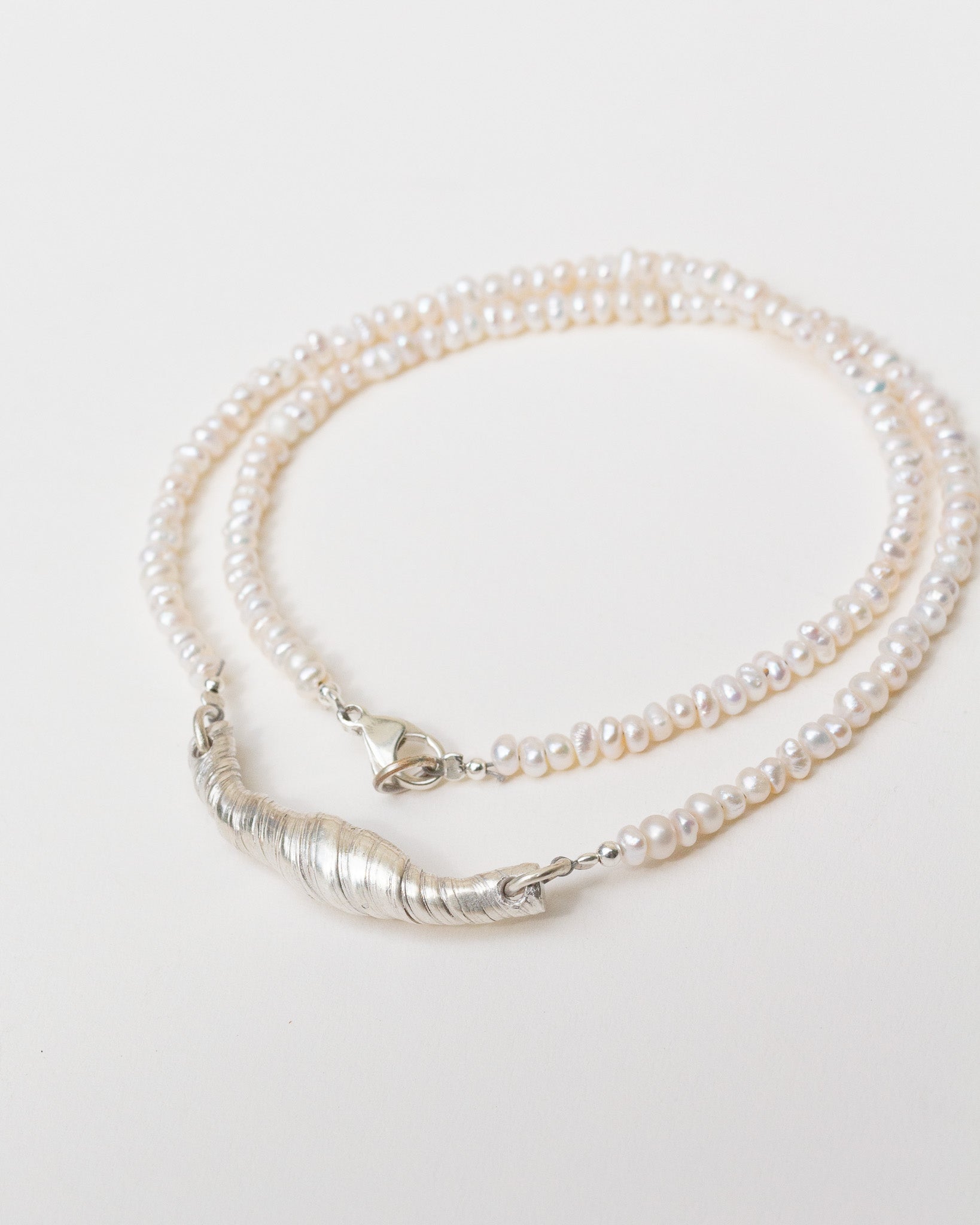
As a jewelry designer, I explain: The truth about rhodium plating and why tarnishing silver jewelry is normal (and how to fix it).
When I first started working with silver jewelry, I was completely fascinated by the elegance and simplicity of this metal. But over time, I've also learned a lot—especially about the uncertainty and misconceptions surrounding silver. I find it particularly fascinating how many people believe their silver jewelry must always remain shiny and flawless, and that's why they absolutely want rhodium plating. But let me explain to you why there are different opinions on this and why you don't have to worry if your silver jewelry discolors.
| CONTENTS |
1. Why silver turns black – and why it’s no big deal |
2. The option of rhodium plating |
3. Why silver is a great choice |
4. Why copper and brass are less popular |
5. Gold or silver – which is better? |
6. My conclusion |

1. Why silver turns black – and why it’s no big deal
You may have noticed that your silver jewelry eventually develops dark spots or even turns completely black. I know this may look unsightly at first, but it's completely normal! This phenomenon is called "tarnishing," and it happens when silver reacts with sulfur in the air or with your own perspiration. Two factors that particularly influence this are sweat and environmental influences.
The good news is that this isn't permanent damage. You can easily remove this discoloration yourself—no expensive cleaning products required! A piece of steel wool or even some baking soda is all it takes to make your silver shine again. Simply gently polish the silver with it, and voilà—your jewelry will look like new again.

2. The option of rhodium plating
Some people prefer rhodium plating to protect silver from tarnishing. What is rhodium plating, anyway? Quite simply: It's a wafer-thin layer of rhodium, a rare precious metal, applied to silver jewelry to protect it from tarnishing and give it an extra shine. Sounds great at first, right? But there are other perspectives on this. Rhodium plating doesn't last forever. Over time, the layer wears off, especially on rings and other heavily used jewelry. Then the tarnishing can return, and you would have to have the jewelry rhodium-plated again or simply clean it yourself—which, as you now know, is also an easy option.
3. Why silver is a great choice
So we've already learned that rhodium plating isn't absolutely necessary, and that your silver can shine with simple care. Silver is an incredibly robust material. Not only is it beautiful, but it's also durable and versatile. What I love most about it is the fact that it can be melted down and reused again and again. Do you have a piece of jewelry that you no longer wear? No problem, it can be reworked and transformed into something new—that's recycling at its best!

4. Why copper and brass are less popular
Speaking of metals, let's briefly talk about copper and brass. Both are known for their warm, reddish hue and are an affordable alternative to precious metals like gold and silver. But they also have their drawbacks. First, many people are allergic to copper or brass, which can cause skin irritation. Second, these metals tarnish even faster than silver and can leave greenish stains on your skin. That's not to say they aren't good options for fashion jewelry, especially if you're on a tight budget, but they do require more care and attention.
5. Gold or silver – which is better?
Now you might be wondering, "Should I choose gold or silver?" Both metals have their own advantages:
- Gold: A classic, timeless metal that doesn't tarnish and is available in a variety of alloys. It's durable and retains its value, making it a great investment. Gold is a wonderful choice, especially for jewelry you'll want to wear every day.
- Silver: Much more affordable than gold and just as versatile. It's perfect for everyday wear, easy to care for, and, as mentioned, can be melted down and refinished time and time again. Silver is a great choice if you're looking for something classy that's also budget-friendly.

6. My conclusion
Silver is a wonderful material—rugged, beautiful, and versatile. Don't be fooled by the rhodium plating gimmicks or marketing myths. Your silver jewelry isn't damaged if it turns black, and you don't need expensive treatments to restore its shine. A little care is all it takes to make your jewelry shine again.
I hope this post has cleared up some of your doubts and maybe even made you want to give your silver jewelry a little refresh. If you have any questions, please leave them in the comments below, and I'll be happy to answer them!
Your Linh An

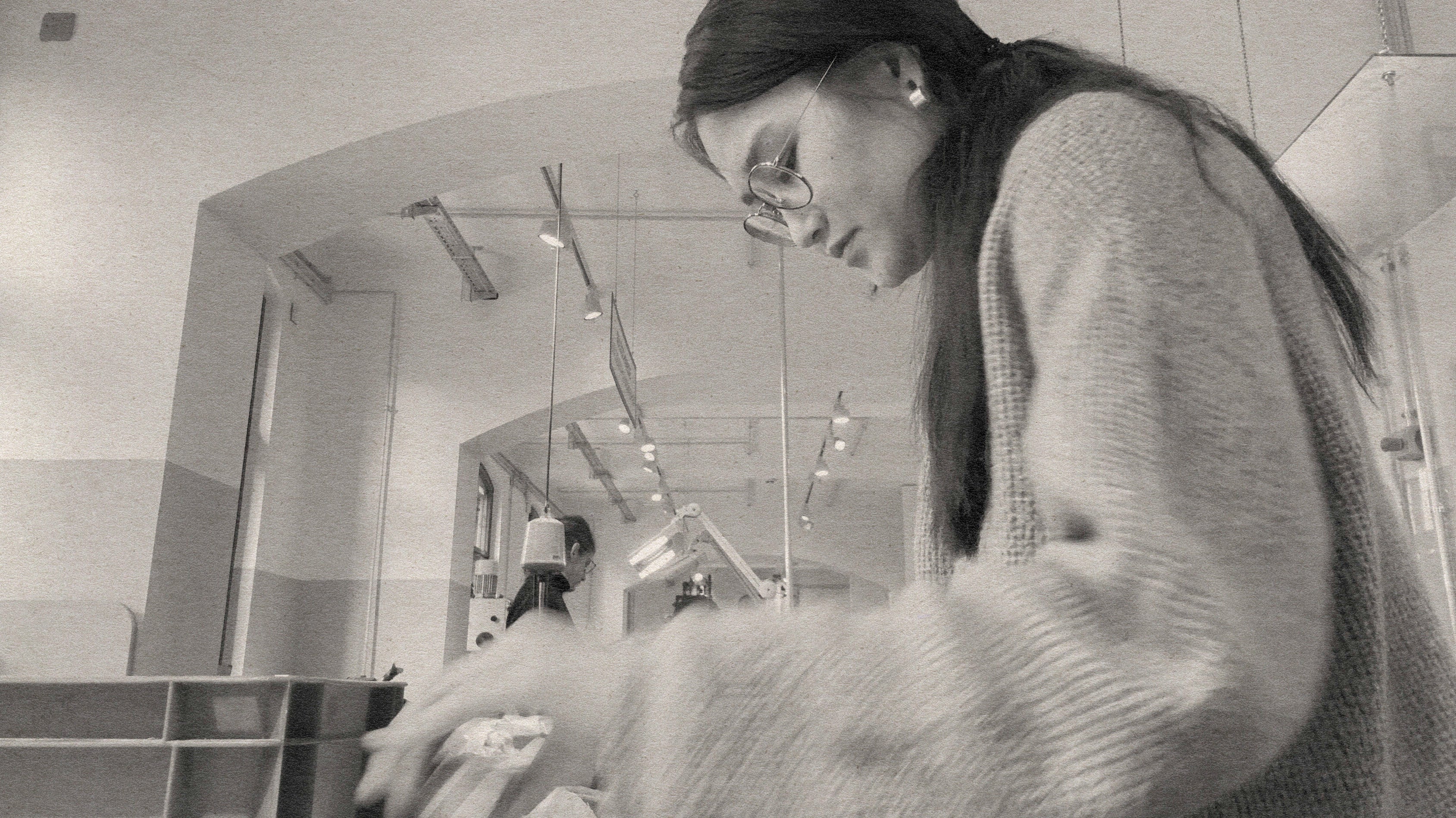
Written by Linh An Tran

1 comment
Danke für den schönen Beitrag. Ich habe kürzlich silber für mich entdeckt und mit meiner Freundin Ringe aus altem Silberbesteck gemacht. Mit Lötlampe und in einer viel zu groben Werkzeug und hoffnungslos improvisiert aber das Ergebnis ist schön. Besonders das man immer wieder was neues daraus machen kann ist toll. Vom hässlichen Besteck zum Ring mit einigen try and error versuchen war kein Problem. Habe auch erst gedacht das es mich stört dass es immer mal anläuft, bei mir irgendwie besonders schnell, vielleicht liegt es an meinen Schweißhänden. Aber andererseits bringt das regelmäßige putzen auch eine ganz andere Verbindung zum Schmuckstück. Man trägt es nicht nur sondern widmet ihm auch immer wieder ein bisschen Zeit und ich freue mich dann immer über meine eigene Arbeit und das ich mich silber ans Basteln gemacht habe und was dabei rausgekommen ist. Silber ist eben kein gold, verändert sich mit der Zeit und das ist auch gut so.
Liam
Leave a comment
This site is protected by hCaptcha and the hCaptcha Privacy Policy and Terms of Service apply.